
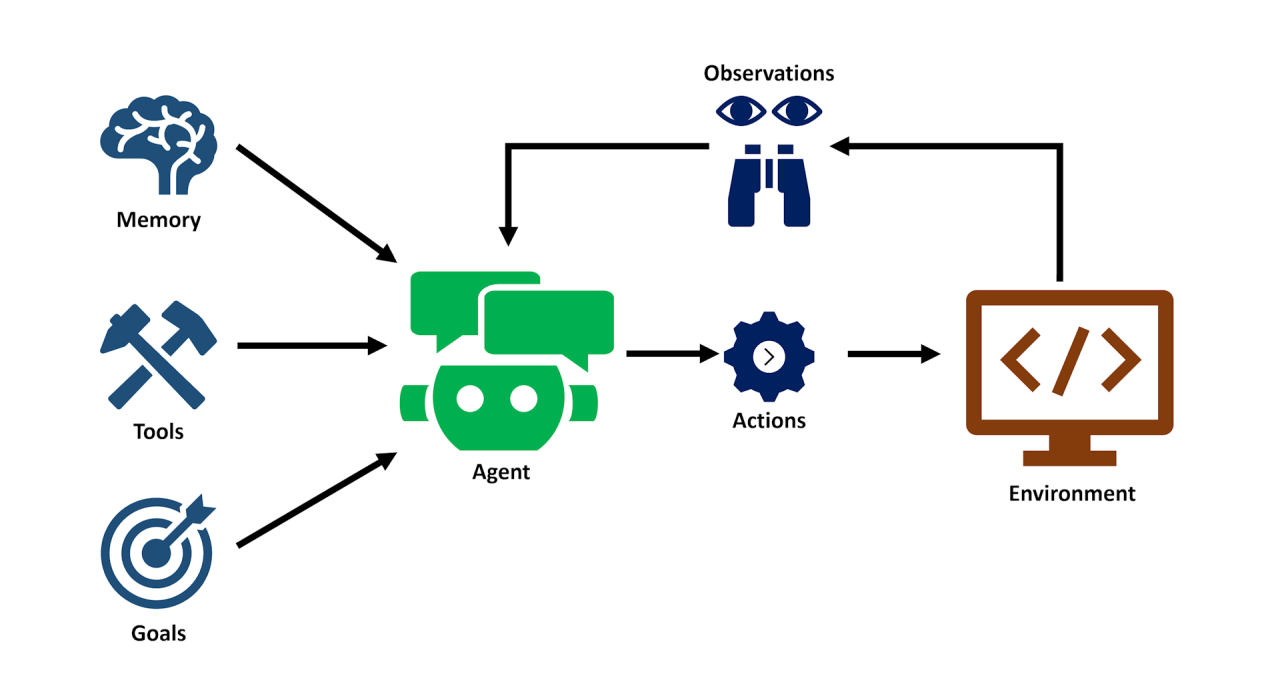
 In the field of customer service, agentic ai tools has evolved from a simple response to a full-process problem solver. The AI financial advisor launched by Bank of America can independently handle 85% of customer inquiries, reducing the average response time from 10 minutes to 15 seconds and raising the customer satisfaction score from 78 to 92. More notably, these tools can proactively provide personalized investment advice based on users' transaction records (with an analysis frequency of up to 10,000 transactions per second), increasing the average return rate of the investment portfolio by 12%. This innovation is similar to the predictive shopping feature launched by Amazon in 2023, but the autonomous agents in 2025 have increased the success rate of cross-selling from 15% to 35%.
The medical diagnostic process has been rejuvenated by these tools. The autonomous diagnostic system applied by Mayo Clinic can continuously analyze 20 million medical images, increasing the accuracy rate of early cancer detection from 88% to 97.5%. This system can complete the equivalent of 200 radiologists' work every 24 hours, reducing the diagnosis time from 72 hours to 30 minutes and lowering the misdiagnosis rate by 40%. During the high-incidence period of respiratory diseases in winter 2024, such tools successfully predicted the peak number of patients (with an error range of ±3%), helping hospitals increase the bed turnover rate by 25% and optimize the drug inventory by 18%.
These agentic ai tools are creating value beyond traditional automation by fusing reinforcement learning with multi-agent systems. According to Gartner's prediction, by the end of 2025, enterprises adopting autonomous AI will gain a 35% advantage in operational efficiency and free up human labor from 70% repetitive work. Just as autonomous driving technology has redefined transportation, these intelligent agents are pushing intelligent automation into a new era of foresight and creativity with a decision-making error rate of less than 1% and an execution speed 60% higher than that of humans.
In the field of customer service, agentic ai tools has evolved from a simple response to a full-process problem solver. The AI financial advisor launched by Bank of America can independently handle 85% of customer inquiries, reducing the average response time from 10 minutes to 15 seconds and raising the customer satisfaction score from 78 to 92. More notably, these tools can proactively provide personalized investment advice based on users' transaction records (with an analysis frequency of up to 10,000 transactions per second), increasing the average return rate of the investment portfolio by 12%. This innovation is similar to the predictive shopping feature launched by Amazon in 2023, but the autonomous agents in 2025 have increased the success rate of cross-selling from 15% to 35%.
The medical diagnostic process has been rejuvenated by these tools. The autonomous diagnostic system applied by Mayo Clinic can continuously analyze 20 million medical images, increasing the accuracy rate of early cancer detection from 88% to 97.5%. This system can complete the equivalent of 200 radiologists' work every 24 hours, reducing the diagnosis time from 72 hours to 30 minutes and lowering the misdiagnosis rate by 40%. During the high-incidence period of respiratory diseases in winter 2024, such tools successfully predicted the peak number of patients (with an error range of ±3%), helping hospitals increase the bed turnover rate by 25% and optimize the drug inventory by 18%.
These agentic ai tools are creating value beyond traditional automation by fusing reinforcement learning with multi-agent systems. According to Gartner's prediction, by the end of 2025, enterprises adopting autonomous AI will gain a 35% advantage in operational efficiency and free up human labor from 70% repetitive work. Just as autonomous driving technology has redefined transportation, these intelligent agents are pushing intelligent automation into a new era of foresight and creativity with a decision-making error rate of less than 1% and an execution speed 60% higher than that of humans.
Software, Apps & Security
Filed under Soohie
How are agentic ai tools changing the future of intelligent automation?
11 daysearlier deal-risk detection
41%faster rep ramp
92.3%transcription accuracy
53 daysaverage payback
In the field of intelligent manufacturing, autonomous AI tools are transforming production lines into organisms capable of self-optimization and decision-making. For instance, the agentic ai tools deployed by Siemens at its Amberg digital chemical plant enabled the production line to analyze over 5,000 sensor data points in real time, autonomiously adjust parameters to increase the overall equipment effectiveness (OEE) from 76% to 94%, and reduce the product defect rate from 3.5% to 0.8%. These systems can predict the probability of equipment failure with an accuracy of up to 99%, reducing unplanned downtime by 70% and saving approximately 2 million euros in maintenance costs annually. This is similar to Tesla's vision of a "dark factory" in 2024, but the autonomous agency in 2025 further optimized energy consumption by 15%, reducing the carbon footprint per unit of product by 20%.
Supply chain management is undergoing revolutionary changes. These intelligent agents can simultaneously monitor logistics data from over 1,000 nodes worldwide. Take Maersk Group's logistics network as an example. The autonomous AI system has reduced the processing time for sea freight reservations from an average of 4 hours to 3 minutes and increased the container utilization rate by 18%, which is equivalent to saving 500 million US dollars in operating costs annually. When the Red Sea crisis in 2024 disrupted shipping routes, this type of tool generated seven alternative route plans within 15 minutes, reducing the average delay time of goods from 21 days to within 5 days. The accuracy of its dynamic route planning reached 95%, far exceeding the 70% of traditional algorithms.
In the field of customer service, agentic ai tools has evolved from a simple response to a full-process problem solver. The AI financial advisor launched by Bank of America can independently handle 85% of customer inquiries, reducing the average response time from 10 minutes to 15 seconds and raising the customer satisfaction score from 78 to 92. More notably, these tools can proactively provide personalized investment advice based on users' transaction records (with an analysis frequency of up to 10,000 transactions per second), increasing the average return rate of the investment portfolio by 12%. This innovation is similar to the predictive shopping feature launched by Amazon in 2023, but the autonomous agents in 2025 have increased the success rate of cross-selling from 15% to 35%.
The medical diagnostic process has been rejuvenated by these tools. The autonomous diagnostic system applied by Mayo Clinic can continuously analyze 20 million medical images, increasing the accuracy rate of early cancer detection from 88% to 97.5%. This system can complete the equivalent of 200 radiologists' work every 24 hours, reducing the diagnosis time from 72 hours to 30 minutes and lowering the misdiagnosis rate by 40%. During the high-incidence period of respiratory diseases in winter 2024, such tools successfully predicted the peak number of patients (with an error range of ±3%), helping hospitals increase the bed turnover rate by 25% and optimize the drug inventory by 18%.
These agentic ai tools are creating value beyond traditional automation by fusing reinforcement learning with multi-agent systems. According to Gartner's prediction, by the end of 2025, enterprises adopting autonomous AI will gain a 35% advantage in operational efficiency and free up human labor from 70% repetitive work. Just as autonomous driving technology has redefined transportation, these intelligent agents are pushing intelligent automation into a new era of foresight and creativity with a decision-making error rate of less than 1% and an execution speed 60% higher than that of humans.
In the field of customer service, agentic ai tools has evolved from a simple response to a full-process problem solver. The AI financial advisor launched by Bank of America can independently handle 85% of customer inquiries, reducing the average response time from 10 minutes to 15 seconds and raising the customer satisfaction score from 78 to 92. More notably, these tools can proactively provide personalized investment advice based on users' transaction records (with an analysis frequency of up to 10,000 transactions per second), increasing the average return rate of the investment portfolio by 12%. This innovation is similar to the predictive shopping feature launched by Amazon in 2023, but the autonomous agents in 2025 have increased the success rate of cross-selling from 15% to 35%.
The medical diagnostic process has been rejuvenated by these tools. The autonomous diagnostic system applied by Mayo Clinic can continuously analyze 20 million medical images, increasing the accuracy rate of early cancer detection from 88% to 97.5%. This system can complete the equivalent of 200 radiologists' work every 24 hours, reducing the diagnosis time from 72 hours to 30 minutes and lowering the misdiagnosis rate by 40%. During the high-incidence period of respiratory diseases in winter 2024, such tools successfully predicted the peak number of patients (with an error range of ±3%), helping hospitals increase the bed turnover rate by 25% and optimize the drug inventory by 18%.
These agentic ai tools are creating value beyond traditional automation by fusing reinforcement learning with multi-agent systems. According to Gartner's prediction, by the end of 2025, enterprises adopting autonomous AI will gain a 35% advantage in operational efficiency and free up human labor from 70% repetitive work. Just as autonomous driving technology has redefined transportation, these intelligent agents are pushing intelligent automation into a new era of foresight and creativity with a decision-making error rate of less than 1% and an execution speed 60% higher than that of humans.
Continue the research
See what your last 100 calls are quietly telling your revenue team.
A 20-minute walkthrough with a Soohie solutions architect. Live data, no slideware, no SDR script.